
This Summer Warning: Emergency Plans Must Work for Real People
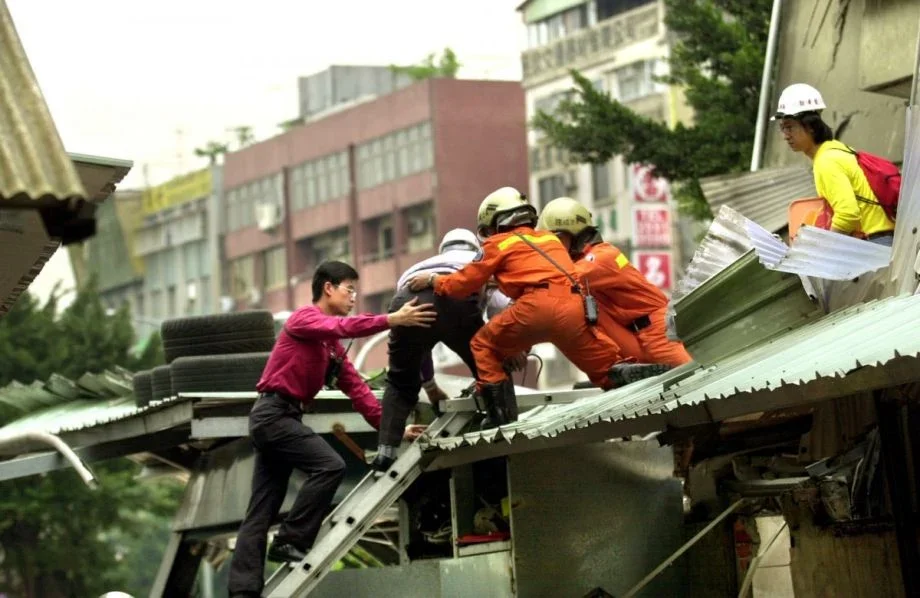
Emergency plans must work for people under real cognitive, sensory, communication, and environmental stress.
This summer, it has felt as though a new disaster is unfolding every day.
Flooding has overwhelmed communities in Texas. Wildfires are burning across the West. Extreme heat, smoke, power disruptions, and evacuation orders have affected millions of people, sometimes simultaneously. In July, the country faced major flooding in Texas, dozens of large wildfires, and smoke-related air-quality alerts affecting more than 100 million people.
Now, the devastation around Spokane has made the danger visible again. Wildfires in eastern Washington have destroyed more than 700 buildings and forced tens of thousands of people to evacuate. Hospitals, homes, businesses, utilities, and emergency services have all been affected.
Most of us are watching from a distance.
We may not smell the smoke, hear the evacuation order, or have to decide what to carry as we leave our homes. But even when a disaster is happening somewhere else, it is difficult to ignore what this summer is telling us:
We are vulnerable. And some of us are more vulnerable than others.
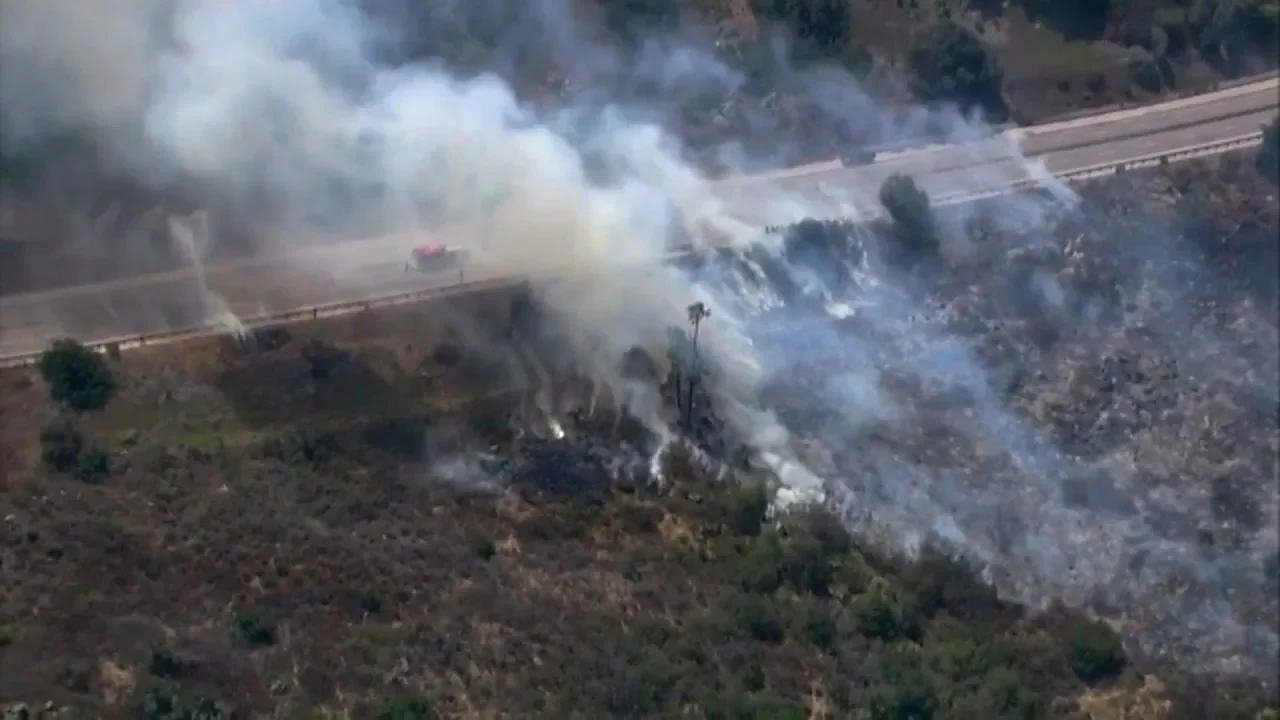
Wildfires around Spokane are one of several emergencies testing communities across the country this summer.
A written plan is not the same as readiness
Emergency plans usually describe a logical sequence:
Receive the alert.
Understand the instructions.
Follow the designated route.
Reach a safe location.
Wait for further direction.
On paper, the process may appear clear.
A real emergency is rarely so orderly.
People may be trying to understand instructions while alarms sound, smoke moves through the air, lights fail, roads become congested, and information changes by the minute. They may be separated from family members, responsible for children or older relatives, unable to access transportation, or uncertain about whether the message they received applies to them.
A person may not hear an alert.
Someone may hear it but not understand what it means.
Another person may freeze, become overwhelmed, or follow the movement of a crowd because the official direction is unclear.
A familiar route may be blocked. A shelter may be crowded, loud, hot, brightly lit, or difficult to navigate. Instructions may be delivered through a channel that someone cannot access or process quickly enough.
These are not unusual individual failures.
They are foreseeable human responses to stress.
Emergencies place pressure on the whole person
Emergency planning often concentrates on the physical event: the fire, flood, storm, threat, or infrastructure failure.
But the emergency is also happening inside the person experiencing it.
Cognitive stress can make it harder to interpret information, remember a sequence, compare choices, or adapt when conditions change.
Sensory stress can come from alarms, sirens, flashing lights, smoke, crowds, heat, physical contact, or several competing sources of information.
Behavioral stress may lead to freezing, hesitation, avoidance, repetition, withdrawal, or reliance on familiar people and routines.
Communication stress occurs when information is inaccessible, inconsistent, overly complex, or delivered through only one channel.
Environmental stress may include darkness, blocked exits, poor air quality, flooding, extreme temperatures, unfamiliar shelters, noise, and rapidly changing conditions.
These pressures compound.
A loud alarm may make a spoken announcement impossible to understand. An unclear instruction may increase hesitation. Hesitation may create delay. Delay may place someone in greater danger.
A plan can therefore be procedurally complete and still be fragile when it meets real human behavior.
Some people encounter the gaps first
Neurodivergent individuals, people with disabilities, older adults, people experiencing cognitive change, individuals with limited English proficiency, and people with sensory, communication, or mobility differences may face additional barriers during an emergency.
But this should not be treated as a separate or niche concern.
People who are most frequently overlooked by standard systems often reveal weaknesses that can affect almost anyone under sufficient stress.
A person does not need to be neurodivergent to become overwhelmed by several conflicting instructions.
A person does not need a diagnosed sensory disability to miss an announcement in a loud building.
A person does not need cognitive impairment to become disoriented when a familiar route is blocked and signs, staff instructions, and crowd movement point in different directions.
Planning around a wider range of human needs does not make an emergency system useful to fewer people. It makes the system stronger for everyone.
The question is not simply whether a plan exists
Emergency exercises commonly test command structures, staff roles, communications, routes, and response times. These elements are essential.
But organizations must also examine the assumptions about human behavior inside the plan.
They should ask:
How much information must someone process at once?
What happens when an alert creates overload instead of action?
Are spoken, visual, written, digital, and staff instructions consistent?
What happens when people rely on social cues rather than official directions?
Can staff recognize freezing, confusion, hesitation, or distress?
Are alternate routes understandable without prior knowledge?
Can people communicate their needs while frightened or overwhelmed?
Does the sheltering environment create additional sensory or physical barriers?
Which parts of the plan depend on people behaving predictably?
The question should not only be:
Do we have an emergency plan?
It should be:
Will this plan work when real people are under stress?
People must remain part of the solution
Technology can help organizations review documents, compare scenarios, identify patterns, and prioritize potential risks.
But technology should not guess how people experience emergencies.
People remain the source of truth.
Structured surveys and one-to-one conversations can reveal what individuals notice, miss, fear, trust, misunderstand, avoid, and do when pressure rises. Direct human input can uncover hesitation, sensory overload, dependence on familiar routines, communication barriers, and behavioral responses that may never appear in an emergency plan or floor plan.
Access Built’s scenario-based research has surfaced patterns including delayed action caused by unclear communication, overload triggered by simultaneous sensory inputs, reliance on social cues instead of direct instructions, and hesitation when authority signals are ambiguous.
These insights emerge through listening.
The role of technology should be to help translate those human experiences into patterns and practical recommendations, not to replace them.
Stress-testing emergency plans before people are put at risk
Access Built has designed a system we refer to as AIDE to help organizations examine how emergency plans, buildings, communications, and operations may perform under real-world stress.
AIDE reviews available plans, facility and occupancy information, emergency scenarios, communication methods, and site conditions. It is designed to help identify friction points, communication gaps, operational assumptions, risk areas, and opportunities to improve readiness.
It does not replace emergency managers, first responders, architects, accessibility professionals, facility leaders, or the people responsible for organizational safety.
It gives those teams another way to examine what a written plan may not reveal on its own.
The work currently begins with neurodivergent and cognitively diverse people because their experiences can reveal where conventional systems break first. The broader objective is to understand how human beings process, communicate, move, and respond under pressure, and to use that knowledge to improve emergency readiness for everyone.
This summer is a warning
We cannot prevent every wildfire, flood, storm, heat emergency, or power failure.
We cannot predict exactly how every person will respond.
But we can stop assuming that a completed document is the same thing as a functioning emergency system.
We can examine whether alerts are understandable.
We can test whether routes remain usable under pressure.
We can prepare staff to support people who do not respond as expected.
We can listen to the people who have historically been treated as exceptions.
And we can identify weaknesses before a real emergency turns them into preventable harm.
Emergency plans must be tested for the conditions in which they will actually be used.
Not only against the hazard.
Against human reality.
Access Built is working to make emergency readiness more human.
Because emergencies do not happen to plans.
They happen to people.
