
From the Met Gala to Main Street: What Bad Bunny Reveals about Aging, Accessibility, and Inclusive Design
From the Met Gala to Main Street: What Bad Bunny Reveals About Aging, Accessibility, and Inclusive Design
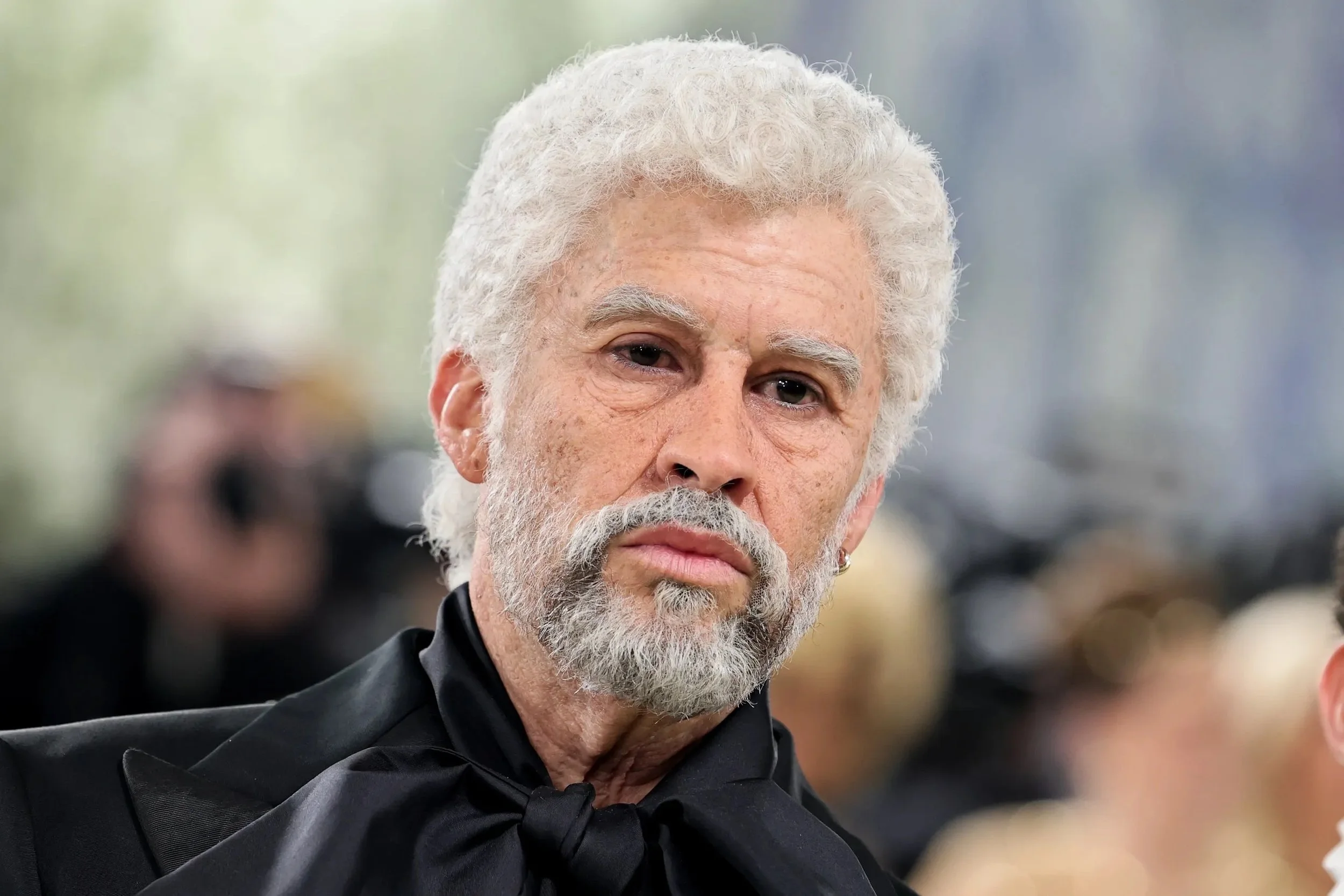
At first glance, it looked like a bold fashion statement. Bad Bunny arrived at the Met Gala styled as an older version of himself, complete with gray hair, a beard, and a cane. The look immediately captured attention across social media and global press.
But beyond the headlines and aesthetics, the moment revealed something deeper. It challenged how we think about aging, visibility, and who we design the world for.
At Access Built, we see moments like this as more than cultural statements. They are signals of how the world needs to evolve.
A Cultural Moment That Sparked a Bigger Question
We live in a culture that often avoids aging. It is filtered out, hidden, or treated as something to delay as long as possible.
Yet aging is one of the only universal human experiences.
Bad Bunny’s choice to step into that reality, on one of the most visible stages in fashion, created an important shift. It made aging visible. It made it present. It made it part of the conversation.
And for many, it raised a simple but powerful question:
What kind of world are we building for the people we will all eventually become?
The Cane Was Not Just a Prop
One of the most striking elements of the look was the cane.
Not as an accessory, but as a symbol.
The cane represents mobility, independence, and the physical changes that come with time. It also highlights something often overlooked in design and planning: how quickly environments can become difficult to navigate as our bodies change.
Stairs without support.
Narrow pathways.
Poor lighting.
Confusing layouts.
These are not minor inconveniences. They are friction points that can limit movement, reduce confidence, and impact quality of life.
Aging Is Not a Niche Issue
Aging is often treated as a specialized category, something separate from everyday design decisions.
That is a mistake.
Aging is not a niche. It is the future of every person.
The environments we design today will determine how people live, move, and experience the world tomorrow.
When we design for aging, we are not designing for a small group. We are designing for all of us.
From Accessibility to Inclusive Design
Traditional accessibility approaches often focus on compliance. Meeting minimum standards. Checking boxes.
Inclusive design takes a different approach.
It asks:
How do people actually experience this space?
Where do they encounter friction?
How can we remove barriers before they become problems?
At Access Built, this is central to our work. Through our Friction Point Method, we identify the small but critical moments where environments fail to support people across different abilities and life stages.
The goal is not just access.
The goal is comfort, confidence, and independence.
Why This Moment Matters
Bad Bunny’s Met Gala appearance was not just about fashion.
It was a cultural signal.
It reminded us that aging should be visible, respected, and considered in how we design our environments, services, and systems.
It also showed that influence can shift perception.
When leaders, creators, and institutions embrace this perspective, it accelerates change.
Designing a World That Works Over Time
The real takeaway is not about one event or one look.
It is about what comes next.
As communities, organizations, and designers, we have a responsibility to create environments that work over time.
Spaces that adapt.
Systems that support.
Experiences that include.
Because the question is not whether people will age.
The question is whether the world around them will evolve to meet them there. These ideas are explored further in Boundless: Real Stories and Practical Strategies for Inclusive Living, where we look at how design can better reflect real human experience.
Why:
Let’s Build What Comes Next
If your organization is thinking about accessibility, aging in place, or inclusive design, Access Built can help.
We work with developers, organizations, and communities to identify and remove friction points, creating environments that support people at every stage of life.
👉 Contact Access Built or explore our accessibility and inclusive design services to learn how we can help create environments that support people at every stage of life.
